If you live with celiac disease or stick to a strict gluten-free diet, traveling to China probably feels like navigating a culinary minefield of soy sauce, wheat noodles, and steamed buns. But here is the secret that most western travelers miss: Southern and Southwestern China run on a vibrant, centuries-old rice culture where wheat takes a back seat to fresh rice noodles, farm-to-table vegetables, and naturally gluten-free regional feasts.
Why Southern China Belongs on Your Celiac Travel Radar
While Northern China relies heavily on wheat-based dumplings and breads, heading south into provinces like Yunnan, Guangxi, and Hainan opens up an entirely different food landscape.
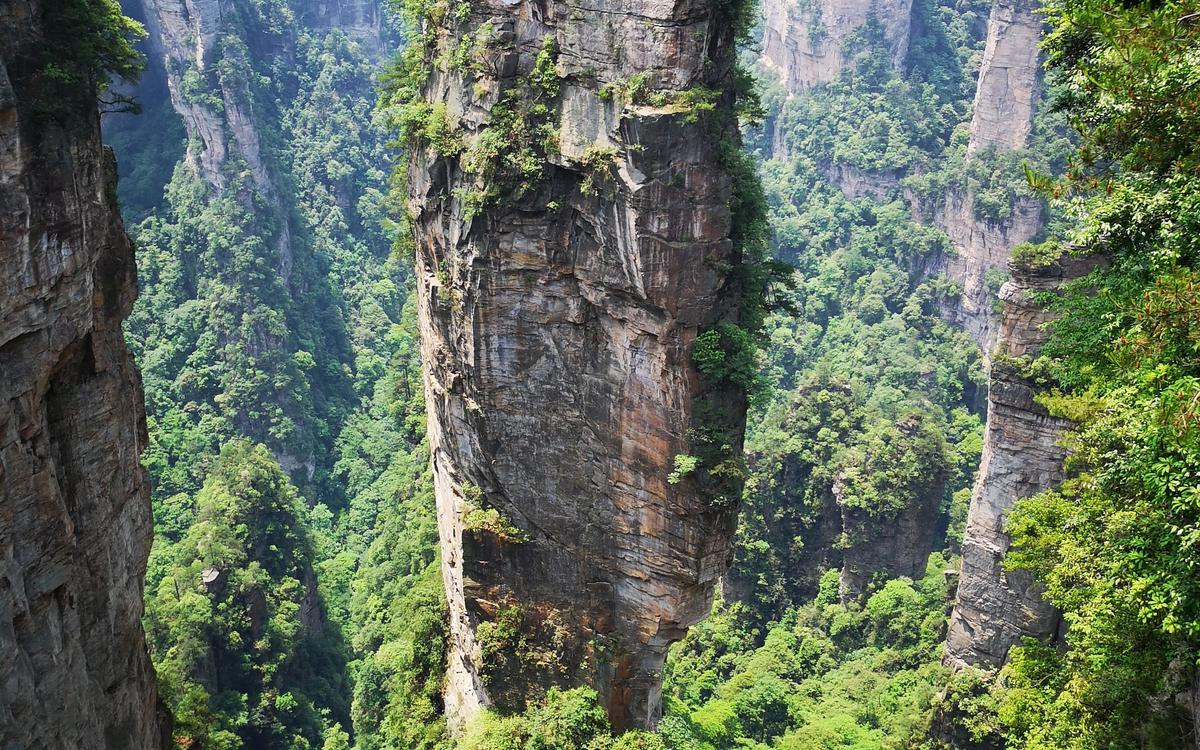
Centering your trip around these rice-centric regions lets you trade food anxiety for incredible culinary adventures. You can feast safely on dishes made from pure rice flour, sweet potato starches, wild mountain herbs, and clear broths—all while taking in dramatic karst mountains, tea terraces, and historic cobblestone towns.
3 Unmissable Gluten-Free Experiences in China
🍜 1. Slurp Authentic Rice Noodles in Yunnan & Guilin
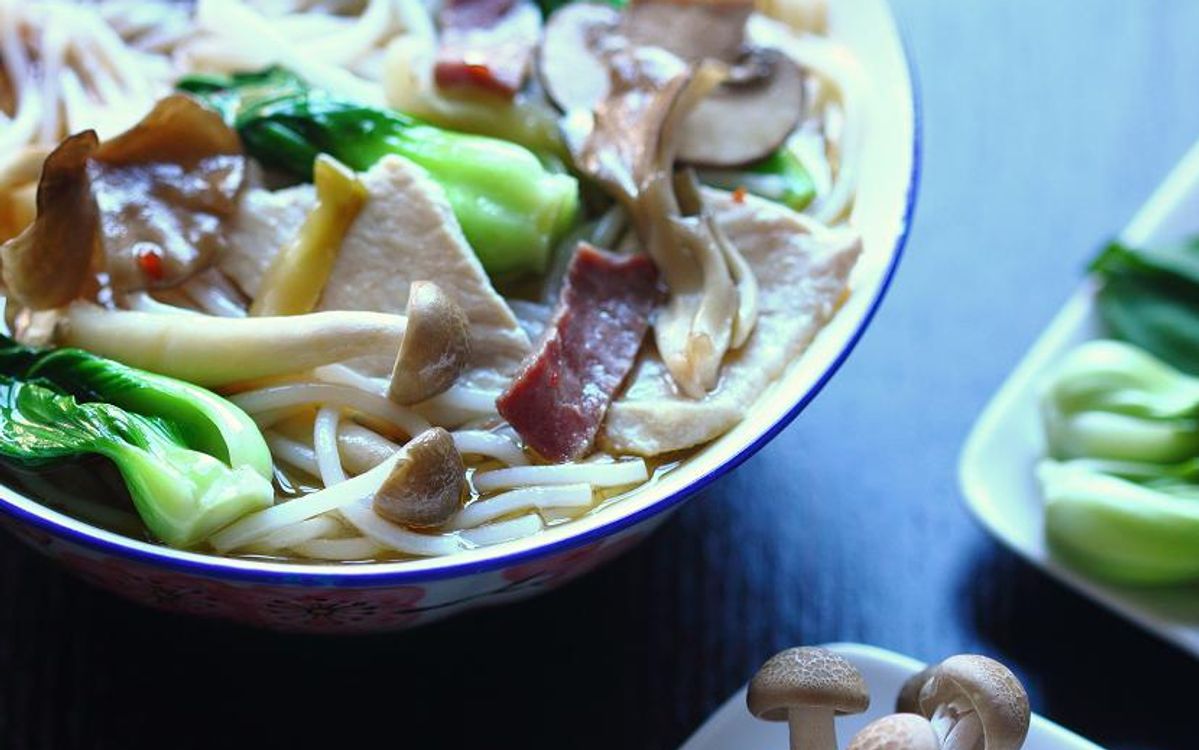
Forget wheat pasta. In places like Guilin and Kunming, rice noodles (mifen and mixian) are made strictly from rice flour and mountain spring water. You can watch local cooks blanch fresh rice noodles right in front of you, bathing them in rich, long-simmered bone broths topped with fresh coriander, scallions, crushed peanuts, and chili oil.
🥬 2. Master Farm-to-Table Cooking in Yangshuo
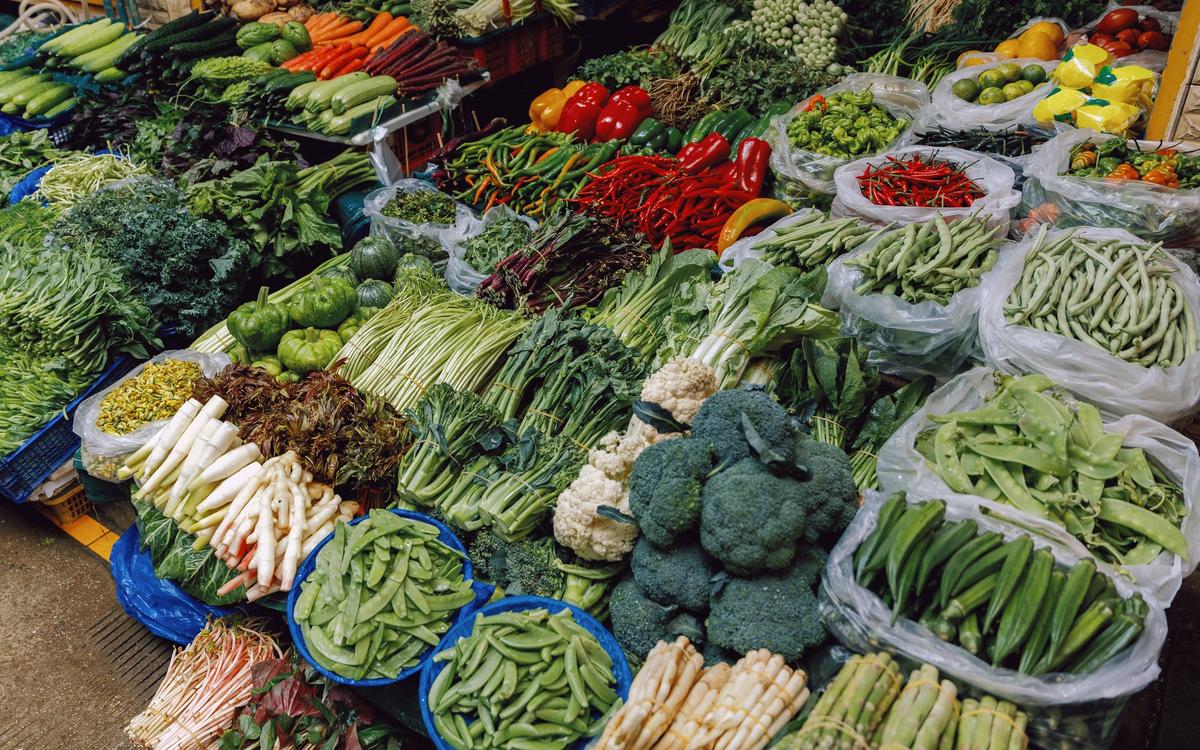
Join a hands-on cooking class in the rural countryside surrounding the Li River. You’ll forage for fresh produce at local morning markets, then head to an open-air kitchen to cook seasonal greens, braised river fish, and garlic stir-fries using sea salt, pure rice oil, and wheat-free tamari.
🎋 3. Feast on Bamboo Rice in Minority Villages
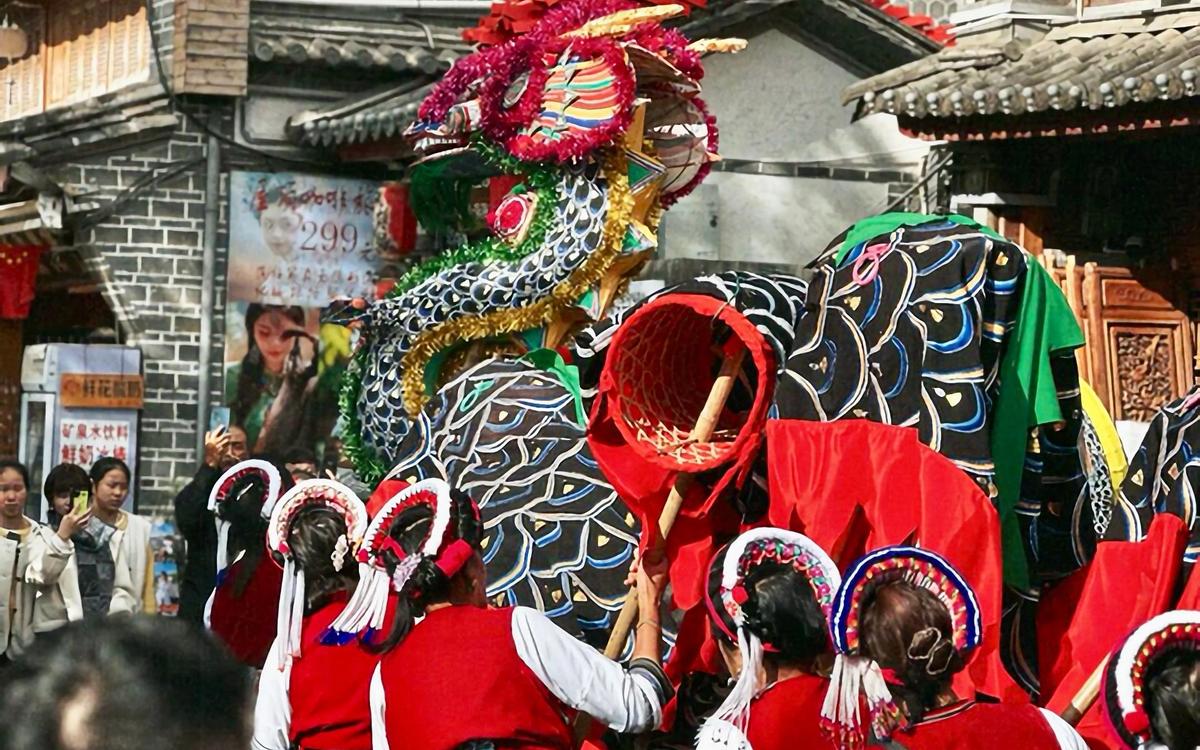
In the subtropical southern hubs of Xishuangbanna and Longsheng, local Dai and Hani ethnic communities cook traditional meals using zero wheat or soy sauce. Enjoy aromatic sticky rice cooked inside fresh bamboo tubes over charcoal, or fragrant meats steamed inside banana leaves with wild herbs and garlic.
Essential Travel Logistics: Weather, Transport & Sights
Best Time to Visit & Weather
1. Autumn (September to November) – Top Pick: Dry, sunny days with comfortable temperatures across Yunnan and Guangxi—ideal for market foraging and scenic outdoor dining.
2. Spring (March to May): Mild temperatures and lush green landscapes, perfect for exploring tea plantations and mountain villages.
Transportation
High-Speed Rail: Modern bullet trains connect top rice-belt destinations effortlessly—running between Kunming, Dali, Lijiang, and Guilin in just a few comfortable hours.
Flights & Transfers: Fly directly into regional hubs like Kunming (KMG) or Guilin (KWL). Booking private transfers with a local guide ensures smooth travel into rural mountain valleys.
Fun Beyond the Food
Cycle through the iconic karst pinnacles of Yangshuo, trek through the tiger-leaping gorges of Yunnan, or wander through ancient Dai villages tucked deep inside subtropical rainforests.
China Travel Tip: The Gluten-Free Translation Card & Tamari Hack Carry a printed Mandarin Celiac Card clearly stating "I have a severe wheat allergy (我对小麦过敏)" and requesting dishes prepared without soy sauce (不要酱油), wheat flour (不要面粉), or chicken powder containing wheat. Pair this card with a travel-sized bottle of wheat-free Tamari in your bag—chefs at local restaurants are usually happy to stir-fry fresh veggies or eggs using your safe sauce in a clean wok!
Ready to taste the incredible flavors of China without worrying about gluten? Let's chat and build a tailor-made, allergy-safe itinerary that lets you explore with total confidence.
Inspired to experience this for yourself?
Our local specialists craft flexible, tailor-made journeys across southwest China.
Plan your trip