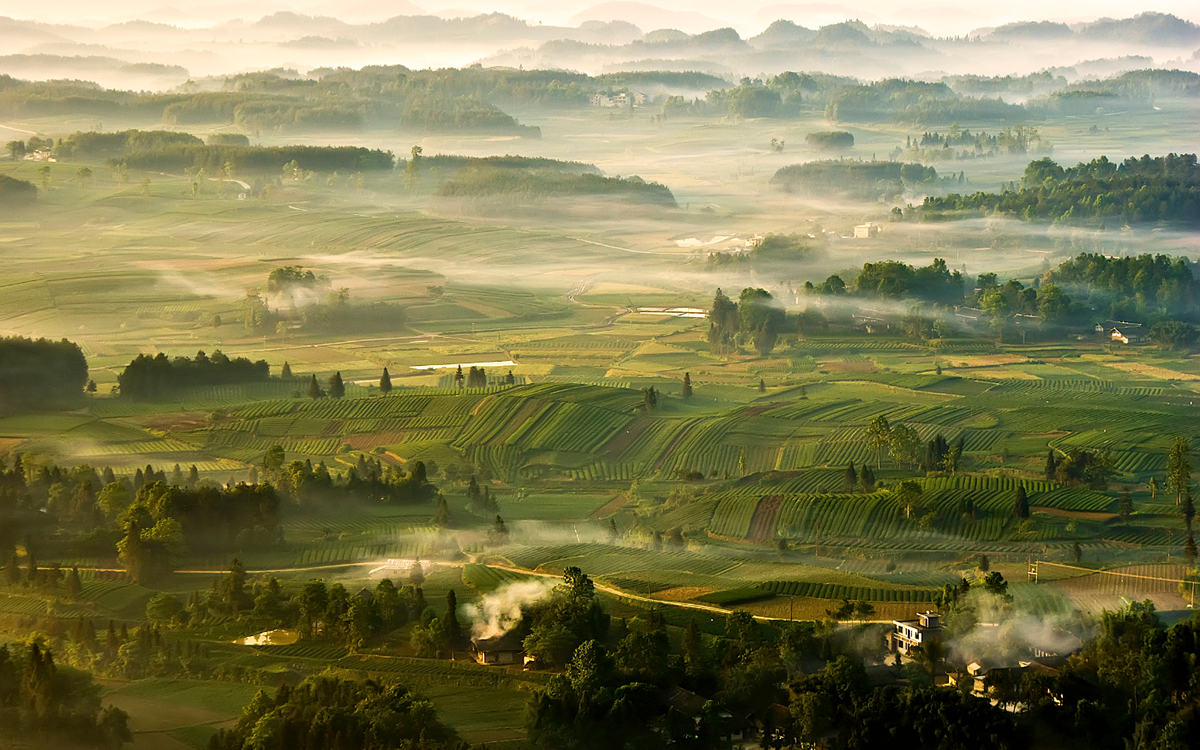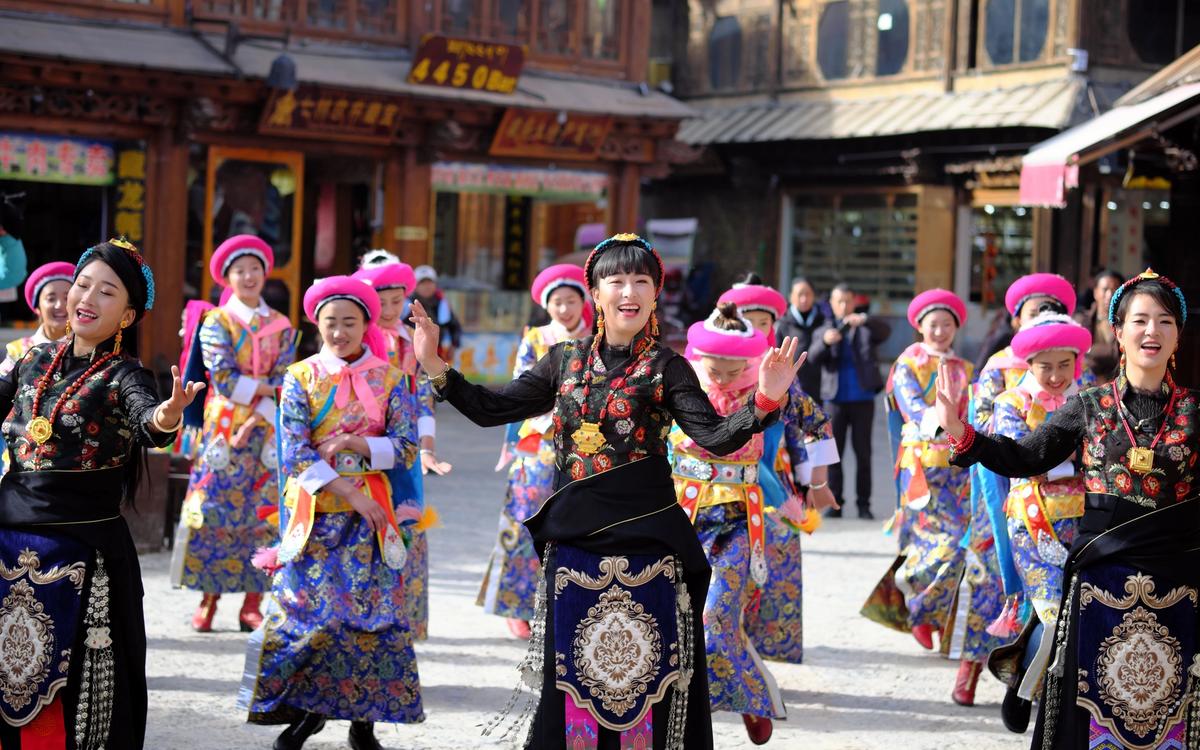
As a woman, I was intrigued when I first encountered accounts of the Mosuo, a matrilineal society living around Lugu Lake in Yunnan, China, sometimes described as matriarchal. The idea of a community in which family life revolves around women immediately caught my attention. At first, it seemed almost too good to be true. Yet the more I learned about Mosuo culture and everyday life, the more I came to understand not only why such a system can function, but also why reproducing it in other societies would be far more difficult than it might initially appear.
Mosuo family life is organized around the maternal line. Family members typically live in the village and household of their mother and remain there even after marriage. Children are raised without their father, with maternal uncles often assuming many of the responsibilities that fathers would traditionally fulfil in other family structures, including helping to raise and provide for their nieces and nephews. In turn, a biological father contributes to the upbringing of his sisters’ children within his own maternal household.
This arrangement gives family life a strong communal character. Childcare and household responsibilities are shared among all family members, as are agricultural work, crops, and the resulting income. As a result, women are not economically dependent on their husbands, nor are mothers necessarily dependent on their fathers or children for support.
Fathers and husbands are therefore generally not part of the everyday lives of their wives and biological children. Instead, they fulfil their responsibilities within their own maternal families. A husband may visit his wife at night but traditionally leaves again by sunrise. Nevertheless, men can develop closer relationships with their wife’s family through acts that demonstrate their commitment to the wife’s household. For example, they may leave gifts for their children with the mother’s family. If a man develops a sufficiently close relationship with the family, he may eventually be invited to participate in some of its shared responsibilities. However, such involvement does not usually amount to formal membership in the family – but it can make seeing their wife and children more often easier.
For travellers interested in Yunnan’s culture and ethnic diversity, the Mosuo offer a fascinating example of how family and community can be organized differently. Their way of life is not something that could simply be transferred to other societies, as it is deeply rooted in a particular cultural and social context. Nevertheless, it highlights the idea that raising children and caring for a household need not fall solely on two people. In that sense, the Mosuo embody the familiar saying that “it takes a village to raise a child” – an idea that can inspire a more family-centred way of life. At the same time, their social structure illustrates how shared family responsibilities can strengthen women’s economic independence from their partners and, in turn, their autonomy. For anyone travelling to Yunnan, learning about Mosuo culture offers more than a glimpse into a unique community: it provides a different perspective on family, community, and women’s empowerment.
Ready to Experience Yunnan Beyond the Surface?
Travel is at its best when it expands our perspective and deepens our understanding of the world. Beyond its breathtaking landscapes, Yunnan is a rich tapestry of living traditions, ancient villages, and profound cultural perspectives like that of the Mosuo.
At Explore with Li, we create bespoke, thoughtfully curated journeys that take you beyond standard tourist routes—allowing you to connect meaningfully with local communities, heritage, and nature at your own pace. Every itinerary is custom-crafted to reflect your personal interests, travel style, and curiosity.
Get in touch with us today to begin planning your tailor-made trip to Yunnan. Let us handle every detail so you can immerse yourself in a truly unforgettable journey.
Inspired to experience this for yourself?
Our local specialists craft flexible, tailor-made journeys across southwest China.
Plan your trip