Beyond the Alps lies a different kind of high-altitude world. Europe’s mountain lovers are fiercely proud of their peaks, from winding alpine railways to deep-rooted outdoor cultures. Yet thousands of miles away, Yunnan's snow peaks offer a striking parallel. This is a journey through China's most spectacular highland region—where familiar jagged horizons meet sacred glaciers, ancient trade routes, and a tapestry of cultures that will fundamentally shift how you look at a mountain landscape.
Mountain landscapes have a remarkable ability to feel both universal and deeply unique, shaped quietly by the people who live among them. Valleys, rivers, and high passes decide where life gathers, how it moves, and how it adapts to altitude, weather, and season.
The Swiss Alps are probably one of the most popular expressions of this relationship. Mountain villages, winding railways, alpine pastures and hiking trails reflect centuries of adaptation to a demanding environment. Today, the region is known for its landscapes, outdoor culture, and fosters a strong sense of regional identity.
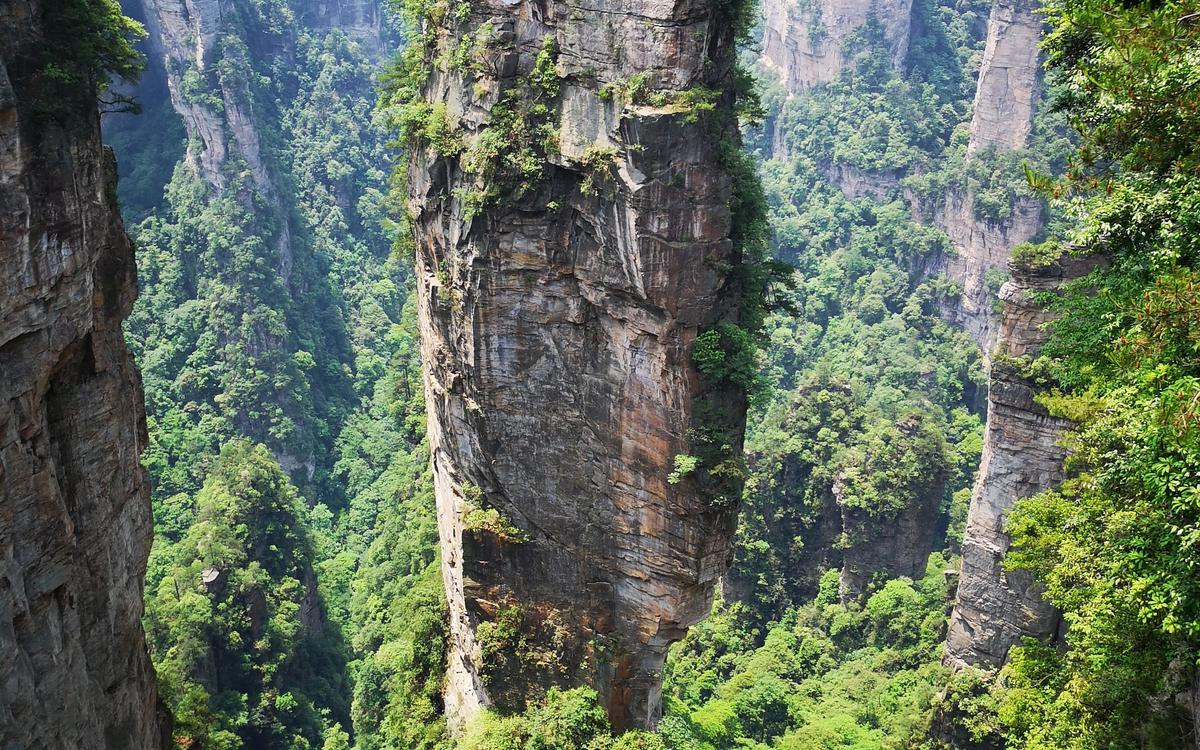
In China’s Yunnan Province, another mountainous world unfolds. At first glance there are familiar outlines: Snowy peaks rising above forests, rivers cutting through deep valleys, and villages beneath imposing peaks. But the resemblance fades quickly, as the landscape reveals itself through different histories, beliefs, and cultural worlds.
Where Mountains Shape Culture
Northwestern Yunnan is home to some of China's most spectacular mountain scenery. It lies along the edge of the Tibetan Plateau and includes part of the Three Parallel Rivers of Yunnan Protected Areas, a UNESCO World Heritage Site, where the Yangtze, Mekong, and Salween run in parallel through deep mountain gorges. Nearby, Meili Snow Mountain and Jade Dragon Snow Mountain rise above the valleys, shaping both terrain and human life.
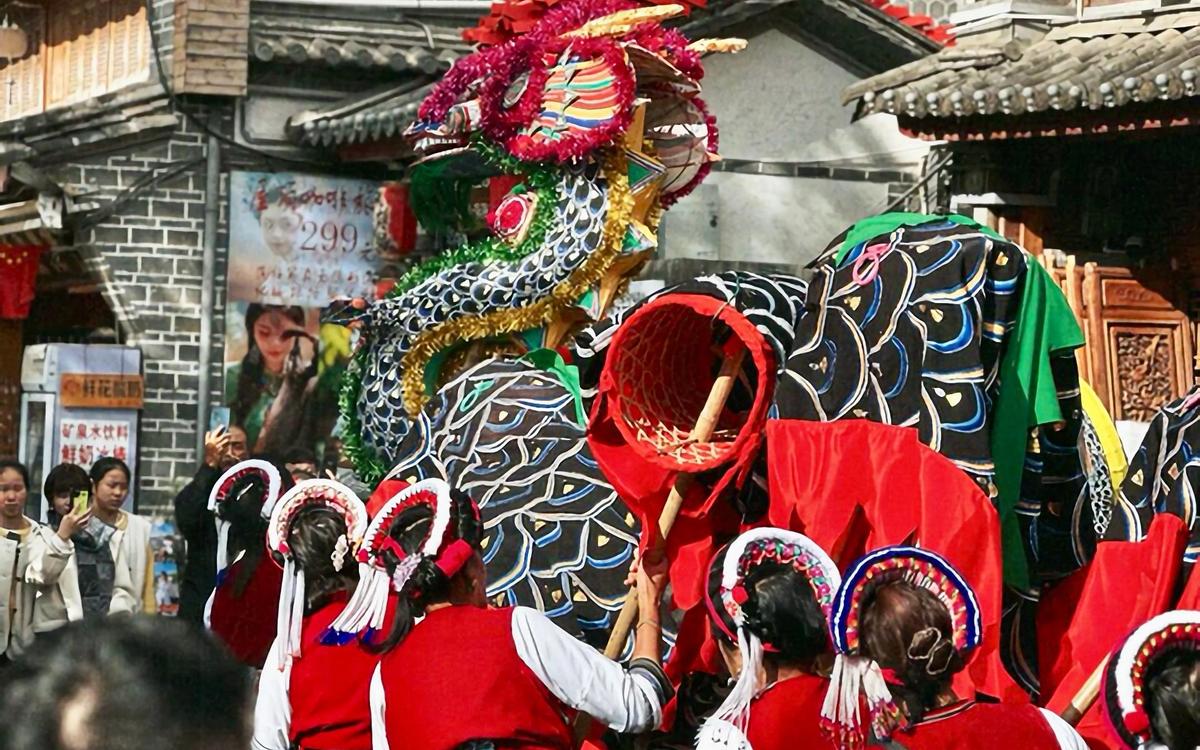
Like the Alps, these mountains have long guided where people settle and how they travel. Yet the cultural landscape they hold is entirely different. Tibetan, Naxi, Bai, and Lisu communities have each developed distinct traditions, beliefs, architecture, and rhythms of life over centuries of living on the mountainous terrain. One such example is Meili Snow Mountain, crowned by the sacred peak Kawagarbo at 6,740 metres. It holds deep spiritual meaning in Tibetan Buddhism, and pilgrimage routes circle its base, while its summit remains untouched out of reverence. Across the region, prayer flags move with the wind, monasteries rest on ridgelines, and sacred places are not just a part of the landscape – they are the landscape.
Travelling Through the Landscape
Exploring Yunnan's mountain region is less about reaching a single destination than following a landscape as it changes. Whether exploring ancient towns, travelling scenic mountain roads, or setting out on foot, the journey unfolds at many different places and paces.
Places such as Lijiang, Shangri-La, Dali, Tiger Leaping Gorge, Jade Dragon Snow Mountain, and Meili Snow Mountain lie within reach of one another, forming one of China’s most varied mountain regions. Within relatively short distances, landscapes shift from ancient towns to alpine lakes, from cultivated valleys to vast and empty heights.
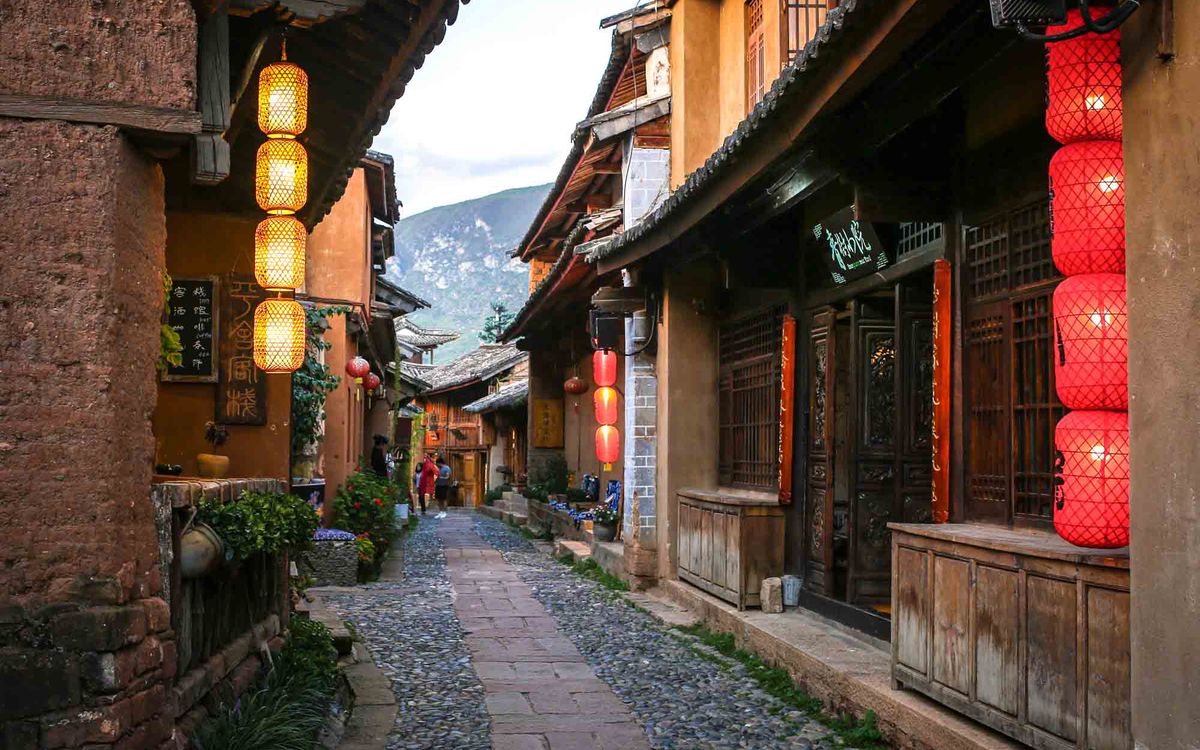
The journey may begin in the UNESCO World Heritage Old Town of Lijiang, where narrow stone streets, flowing canals, and traditional Naxi courtyard houses reflect centuries of history. From there, Jade Dragon Snow Mountain rises just beyond the city, offering alpine forests, high-altitude meadows, scenic hiking trails, and glacier viewpoints easily reached by cable car.
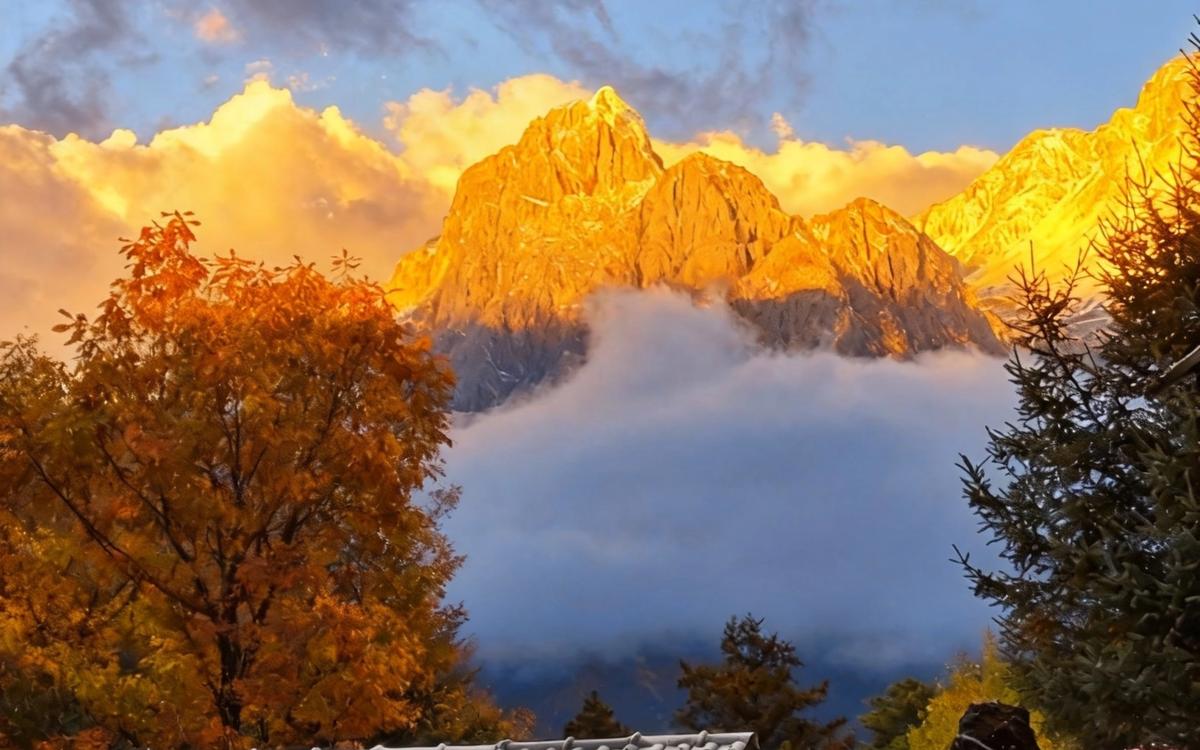
Further north, the road follows fragments of the old Tea Horse Road, once linking Yunnan with Tibet and distant trade worlds beyond. Settlements grow sparse, the valleys deepen, and the mountains begin to feel more immense, until Meili Snow Mountain fills the horizon. At sunrise, light slowly reaches Kawagarbo’s summit summit - a moment that has drawn in pilgrims, photographers, and travelers for generations. Yet even here, the mountain is only part of the experience. Small villages, hillside monasteries, and quiet guesthouses offer opportunities to experience the rhythms of everyday life in one of China's most distinctive highland regions.
More Than Snow Peaks
Further south, Dali sits between Cangshan Mountain and Erhai Lake. Bai villages, quiet cycling paths, and local markets bring a softer rhythm to the landscape. The region is known for its biodiversity, where wild mushrooms, herbs, Pu’er tea, and flowers shape both the local Yunnan cuisine and daily life.
This contrast gives Yunnan its depth. Within a relatively compact region, snow mountains, ancient towns, lakes, and living traditions sit side by side. The result is not a static landscape, but one layered, shifting, and closely interwoven with the people who inhabit it.
A Shared Perspective on Mountains
The world's great mountain regions each have their own story to tell. Whether in the heart of Europe or on the edge of the Tibetan Plateau, mountain landscapes have long inspired the people who call them home. They shape traditions, influence daily life, and create places that invite exploration and reflection in equal measure.
Perhaps that is what Yunnan's snow peaks can teach the European traveler: That while mountains may share a familiarity, the cultures around them are wonderfully diverse. Each mountain region reflects its own history, beliefs, and way of life, offering a different perspective on humanity's enduring relationship with the natural world.
For travellers drawn to alpine scenery, Yunnan offers something both familiar and refreshingly new: A chance to experience one of the world's great mountain regions through the lens of its unique history, cultures, and enduring traditions.
Inspired to experience this for yourself?
Our local specialists craft flexible, tailor-made journeys across southwest China.
Plan your trip