Shaxi is one of Yunnan's best-preserved historic trading towns and one of the most rewarding stops between Lijiang and Dali. Once an important station on the ancient Tea Horse Road, today Shaxi offers visitors traditional Bai architecture, quiet village life, and one of China's most authentic historic town centers. Nestled in a fertile valley in western Yunnan Province, the town has welcomed merchants and travelers for centuries while preserving much of its historic character. For those exploring Yunnan, Shaxi offers a rare opportunity to experience a living heritage town where history remains part of everyday life.
Slowing Down in Shaxi: Life on the Old Tea Horse Road
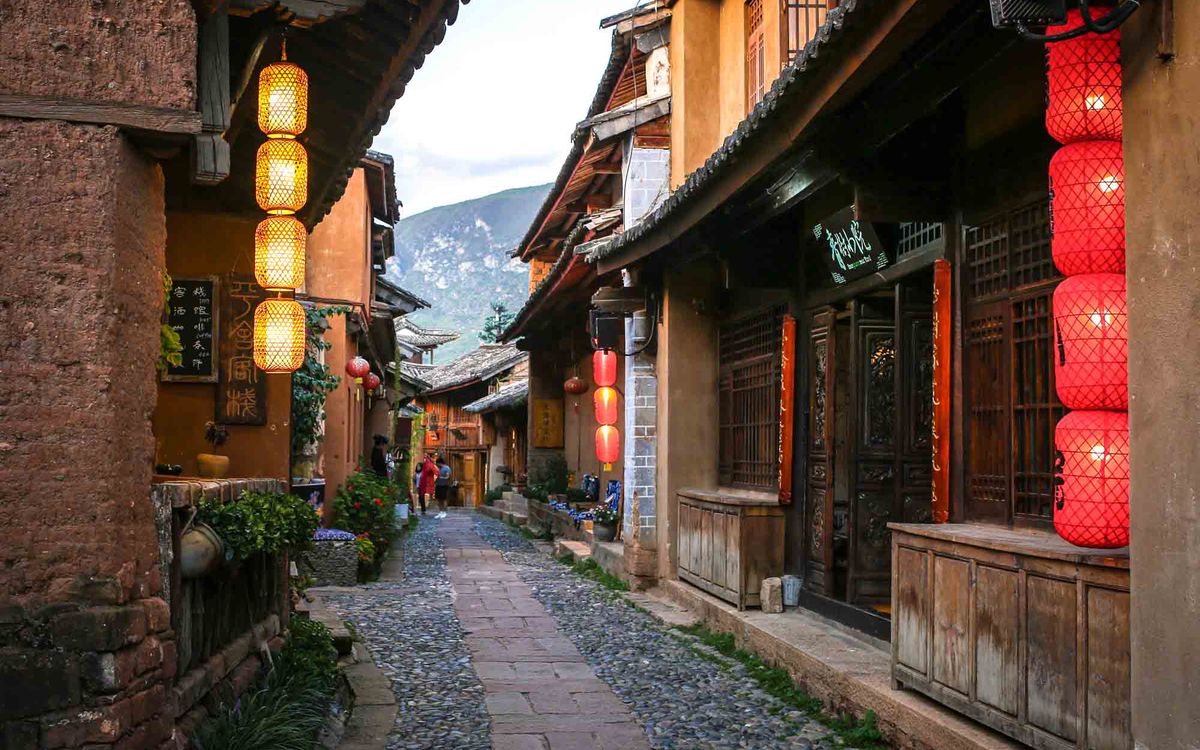
Shaxi is a small village in Yunnan Province, located between Lijiang and Dali, sometimes also called Shaxi Ancient Town. It sits slightly aside from the main travel routes that now define movement through the region, making it a peaceful retreat to rest and unwind. The valley has welcomed travelers for centuries, but it has never lost the quiet character that first made it a natural place to pause.
Historically, Shaxi was an important stop on the Tea Horse Road, the extensive network of trade routes that connected Yunnan with Tibet and regions beyond. For centuries, caravans passed through carrying tea, salt, and horses, resting in valley towns like this before continuing into higher and more difficult terrain. While that the trade route has long disappeared, it still shapes the town’s layout and its relationship to the surrounding landscape. Shaxi’s history as a trading stop dates back at least to the Tang dynasty (7th–10th century), when it already functioned as part of the caravan network.
A Town Shaped by Trade and Time
At the centre of Shaxi lies Sideng Square, once a key marketplace and gathering point for traders moving along the Tea Horse Road. The square is framed by wooden buildings in the traditional Bai minority style, an old theatre stage in the Ming–Qing style, and Xingjiao Temple with its idyllic cypresses and courtyards. With its historical charm, Sideng Square reflects Shaxi’s role as a place to recover from a long journey along the Tea Horse Road. In its time, it functioned as a caravan marketplace where mule trains would stop, trade goods, and prepare for the next stage of their journey into the mountains.
Today, Sideng Square feels remarkably peaceful. Locals cross the square on their daily errands, shopkeepers sit outside their wooden storefronts, and visitors sit over a cup of tea or wander the narrow lanes leading away from the market. Every Friday, however, the square comes alive again as villagers from across the valley gather to buy, sell, and catch up – a tradition that has continued for generations. What makes Shaxi feel different from many historic towns is that it has not yet become solely a backdrop for tourism. The old streets are still part of everyday life, and the village has managed to preserve the character that made it an important stop on the Tea Horse Road in the first place.
That was not always guaranteed. In 2001, Shaxi's old town was listed among the World Monuments Fund's 100 Most Endangered Sites, threatened by neglect and the pressure of modern development. A major restoration project, supported by Chinese conservationists and international partners – including researchers from ETH Zürich – helped restore its traditional buildings while preserving the original layout of the village. Rather than turning Shaxi into an open-air museum, the project allowed it to remain something rarer: a historic town that is still very much lived in, paving the way for sustainable development and tourism.
Heritage Preserved in the Landscape
Beyond the town centre, stone paths and rural tracks extend into the wider valley. Caravans carried compressed tea bricks from Yunnan and Sichuan up into Tibet, returning with horses, salt, medicinal herbs, and goods that were rare in the lowlands. In this way, the Tea Horse Road functioned not only as a trade system, but also as a cultural bridge between Han Chinese and Tibetan worlds, helping to spread Buddhism and shape multi-ethnic trading cultures across the region.
Walking these paths today, the infrastructure of those days is still visible: Old bridges, resting points, and temple sites remain scattered through the landscape. These monuments remain a fascinating part of the landscape, showcasing its rich history and tradition.
Slow Travel and Everyday Continuity
Perhaps the greatest luxury Shaxi offers is time. There are no long lists of attractions to work through, and there is nothing that would encourage visitors to hurry. Instead, the days are filled with simple moments: Wandering stone lanes, lingering over a cup of tea in Sideng Square, or watching farmers return from the fields as the afternoon light changes across the valley.
Although Shaxi has become more popular to visitors over the years, it remains first and foremost a place where people live. Courtyard houses have become guesthouses and cafés, but many continue to serve their original purpose as family homes. Agriculture still shapes life in the surrounding villages, and the weekly market continues to bring neighbours together much as it has for generations. For those travelling between Lijiang and Dali, Shaxi is often viewed as an optional stop that can easily be skipped. Yet it is one of those rare places that reward visitors travelling to China with its authentic historical charm.
More Than a Place on the Tea Horse Road
The Tea Horse Road once carried horses and mules together with their merchants, pilgrims, goods and ideas across some of Asia's most challenging landscapes. Much of that movement has disappeared, but in Shaxi its legacy can still be felt in its old streets and historic buildings as well as the quiet rhythm of the village itself. Historic buildings are still used by local families, the market still draws people from the surrounding villages, and daily life unfolds much as it always has. Rather than preserving the village as a good to be consumed by visitors, Shaxi allows it to remain part of the present.
Ready to Experience the Magic of Yunnan?
If Shaxi’s timeless charm and slow-paced lifestyle inspire you to explore further, join us on our immersive 6-Day Yunnan Tour. Together, we’ll dive deep into the region’s breathtaking landscapes, savor authentic local cuisine, and celebrate its rich ethnic diversity. Most importantly, our journey goes beyond typical sightseeing—giving you the rare chance to build meaningful, lasting connections with the local communities that call this remarkable region home.
Inspired to experience this for yourself?
Our local specialists craft flexible, tailor-made journeys across southwest China.
Plan your trip