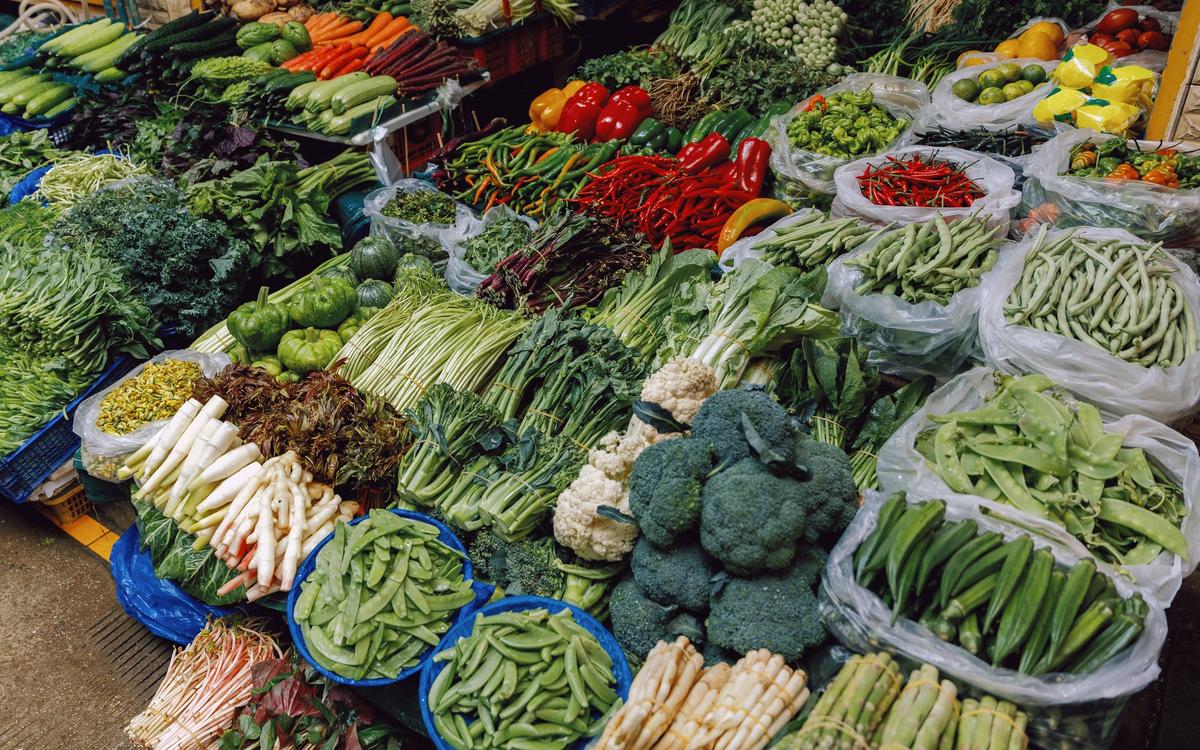
Located in southwestern China, Yunnan is one of the country’s most diverse agricultural regions. Its tropical valleys, high plateaus, and mountain forests create an extraordinary variety of ingredients, shaping a food culture where seasonality and local traditions remain central. This diversity is the foundation of Yunnan cuisine, one of China’s most distinctive regional cuisines.
The richness of Yunnan agriculture and cuisine comes from its dramatic changes in altitude and climate. Within one province, farmers cultivate tropical fruits, rice, tea, coffee, vegetables, and medicinal plants across very different environments. These conditions influence everything from harvest seasons to flavour profiles. Soil, rainfall, temperature, and sunlight all contribute to the character of local ingredients. The province’s famous rice terraces demonstrate this relationship between environment and farming. Built by mountain communities over centuries, they reflect sophisticated agricultural knowledge and a deep understanding of local ecosystems.
Pu’er Tea and Yunnan Coffee: Two Icons of the Region
Yunnan is best known for Pu’er tea, produced mainly in areas such as Pu’er, Xishuangbanna, and Lincang. Unlike many other teas, Pu’er continues to develop after processing, with flavours that evolve through aging and fermentation. Many ancient tea forests are still managed using traditional methods. The result is a tea valued for its depth, complexity, and connection to the mountains where it grows.
Alongside tea, Yunnan coffee has gained international attention. The province produces the majority of China’s coffee, with important growing regions around Pu’er and Baoshan. High elevations and favourable growing conditions allow local farmers to produce specialty Arabica beans with flavours ranging from floral and fruity to chocolate-like.
Wild Mushrooms: The Seasonal Treasures of Yunnan’s Forests
Among the most celebrated ingredients in Yunnan’s cuisine are wild mushrooms. The province’s diverse forests support hundreds of edible varieties, making it one of Asia’s most important regions for mushroom harvesting.
During the rainy season, markets across Yunnan fill with seasonal varieties including matsutake mushrooms, porcini mushrooms and termite mushrooms, to name only a few. Some are prized internationally, while others remain essential ingredients in everyday local cooking. Harvesting Yunnan’s mushrooms requires detailed knowledge of the forests and changing seasons and is an important pillar of the local communities as a part of both their culinary and cultural tradition.
What to Taste in Yunnan
Not sure where to start? These dishes offer a first taste of Yunnan’s culinary diversity, from famous local specialities to seasonal ingredients that reveal the character of the region.
1. Crossing-the-Bridge Noodles
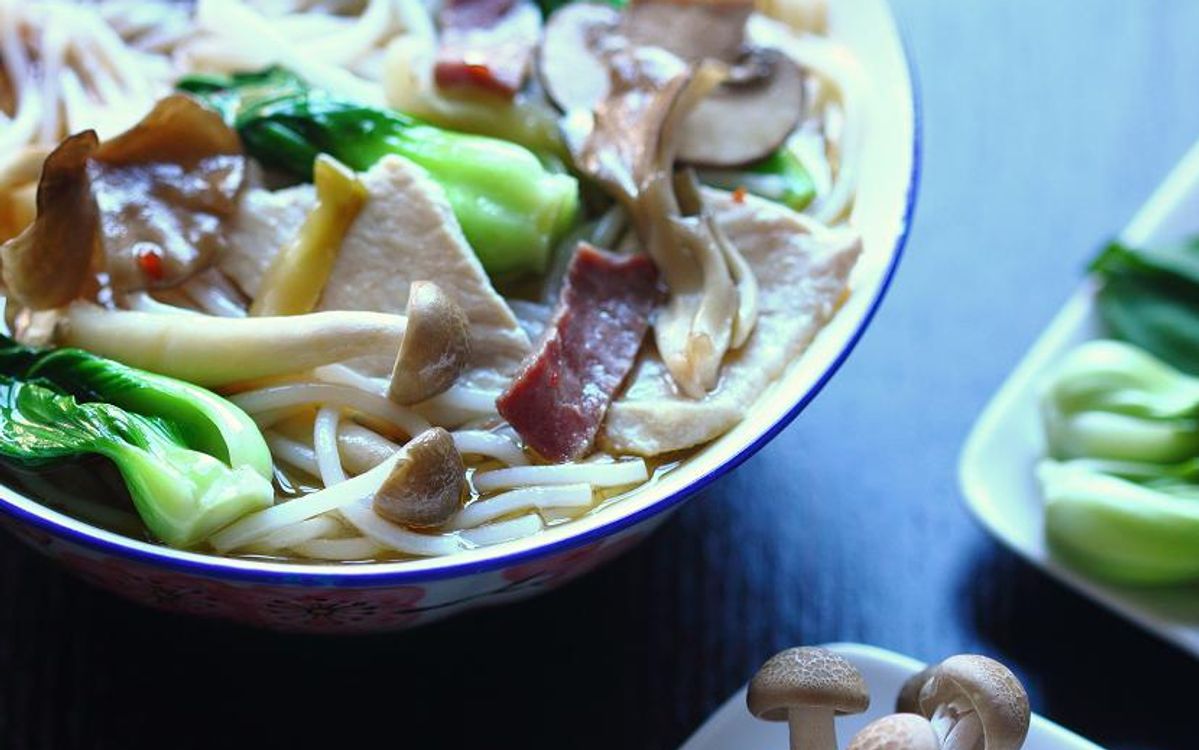
A signature Yunnan dish featuring rice noodles served with hot broth, meat, vegetables, and herbs added at the table. Originally from Mengzi.
2. Wild Mushroom Dishes
A highlight of Yunnan food culture, especially during the rainy season. Porcini, matsutake, and termite mushrooms are commonly prepared in hotpots, soups, and stir-fries.
3. Xuanwei Ham
A famous cured ham from northeastern Yunnan, known for its rich flavour and often used in soups and traditional dishes.
4. Erkuai
A traditional rice cake made from pressed rice, usually grilled, fried, or served with savoury sauces.
5. Dai Cuisine
Popular in southern Yunnan, Dai cuisine features fresh herbs, chilli, lime, lemongrass, and grilled dishes influenced by neighbouring Southeast Asian flavours.
6. Rubing and Rushan Cheese
Traditional dairy products from the Dali region, made from goat or cow milk and often grilled or paired with sweet flavours.
A Cuisine Shaped by Biodiversity
Yunnan cuisine reflects the province’s ecological and cultural diversity. Influenced by many ethnic communities, including the Dai, Bai, Hani, and Naxi peoples, it is known for fresh ingredients, herbs, fermentation, and seasonal cooking. Dishes such as crossing-the-bridge noodles, mushroom hotpot, and local cured meats perfectly showcase the high-quality local ingredients that define each dish.
For travellers interested in culinary travel in China, Yunnan offers a rare opportunity to experience food at its source. From Pu’er tea forests and coffee plantations to local markets filled with seasonal ingredients, the journey reveals how geography, agriculture, and culture come together to create one of China’s most distinctive culinary traditions.
Let’s Craft Your Ultimate Yunnan Food & Coffee Trail
Planning a trip through China's most diverse province doesn't have to be overwhelming. We take care of the real-name park bookings, private high-clearance mountain drives, and insider food connections so you can experience Yunnan at your own pace.
Ready to trade standard tourist loops for rich tea estates, farm-to-table feasts, and world-class mountain scenery?
Check Out Our Tailor-Made Yunnan Itineraries & Book Your Trip →
Inspired to experience this for yourself?
Our local specialists craft flexible, tailor-made journeys across southwest China.
Plan your trip